Set at the crossroads of ancient civilizations, Tashkent offers a compelling blend of deep‑rooted history and modern vibrancy that makes it one of Central Asia’s most fascinating destinations. As the capital, and the region’s largest city, Tashkent has long served as a cultural and commercial gateway along the Silk Road, where Persian, Turkic, Russian, and Islamic influences converge. Today, this historic foundation meets a new era of transformation: revitalized districts, contemporary architecture, and expanding international brands signal a city on the rise. Visitors experience a place where centuries‑old cultural sites stand steps away from lively boulevards, gourmet restaurants, and a warm hospitality that remains central to Uzbek life.
This cultural richness is matched by Tashkent’s rapid economic growth, making it an increasingly compelling hub for investment and business development. Uzbekistan has become one of the fastest‑growing populations in the world, drawing significant foreign investment and fostering emerging industries such as IT outsourcing, renewable energy, and modern retail. Tashkent, in particular, is evolving into a dynamic commercial center with new business complexes, improved infrastructure, and a young, entrepreneurial workforce shaping the city’s future. Positioned as the gateway to iconic destinations like Samarkand, Bukhara, and the Chimgan mountains, Tashkent offers not only extraordinary travel experiences but also the momentum and opportunity of one of Central Asia’s most promising markets.
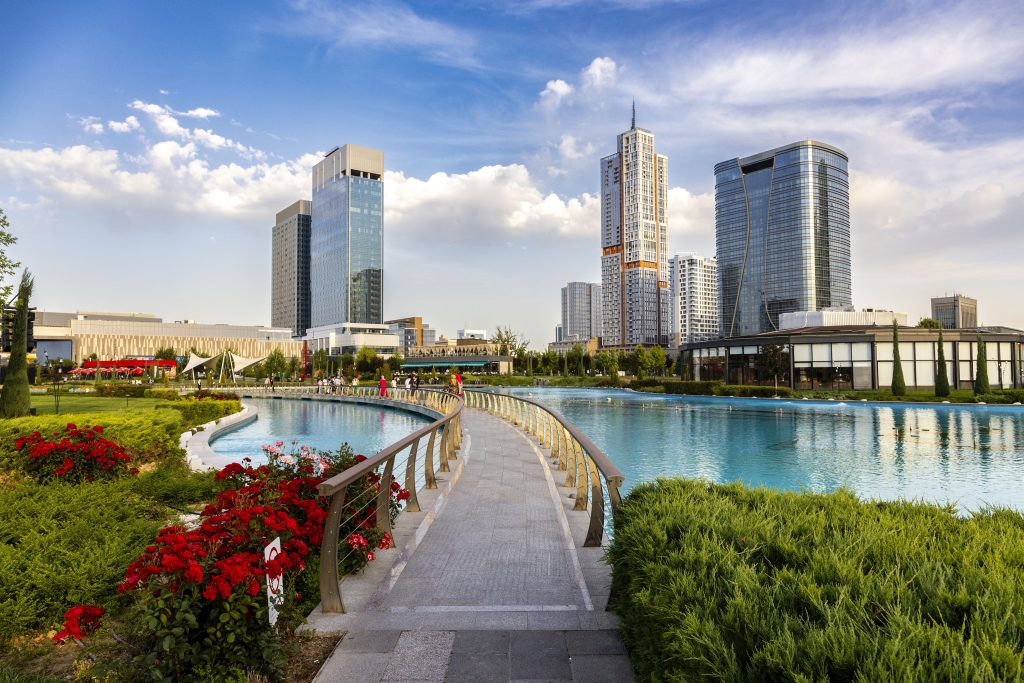
Where do you live? Tashkent, Uzbekistan which is the capital and the largest city in the country. It is also the largest city in Central Asia.
What is the perfect weekend day like? The day begins with a delicious breakfast in the mountains of the Amirsay resort. Then, a hike to the Chimgan peak. After a rest, we return to Tashkent by highway in 50 minutes and arrive at the forfeit show in Tashkent City, where we have a choice of over 45 restaurants to suit every taste.
What are the common modes of transportation there? In most cases, everyone travels by private car, with probably more than 40% electric cars and more than 70% electric buses.
Tell us about the foods your area is known for. The region boasts over 10 must-try dishes: plov (more than 6 varieties of a rice pilaf-type dish), naryn—a very light, nutritious horse meat broth, halim (a slow-cooked stew), kazan-kebab (kebab made of fried lamb or beef), mashkhurda (a mung-bean and rice soup), samsa (a flakey pastry with meat filling), and, of course, flatbreads (more than 10 varieties), and, of course, the legendary melon—many of which are recognized as world cultural heritage (UNESCO). Street food is also well-developed, and it’s certainly delicious.
What is your favourite meal, at home or at a restaurant? Samarkand pilaf, samsa, lamb shurpa (a rice and vegetable soup), fresh flatbread, and Fergana melon for dessert.
Where do you recommend someone vacation in your region and why? In Tashkent, these include Amir Timur Square, Eco Park, or the Japanese Garden, and, of course, Tashkent City in the evening. An hour’s drive from Tashkent are numerous mountain resorts on the Charvak Reservoir. And well-known cities like Samarkand and Bukhara.
What is your favourite recreational or leisure time activity? In winter, it’s the mountains with their many slopes in Amirsay, of course. In summer, it’s the water parks in Tashkent or at the Charvak Reservoir.
Is there a specialty your area is known for? The region is the world’s largest cotton producer. It also produces fruits and vegetables. It ranks among the top ten gold producers with a large gold deposit – Muruntau. It is known for its historic madrassas, mosques, and mausoleums. Since ancient times, it has been a key hub on the Silk Road, with the cities of Samarkand, Bukhara, and Khiva also part of UNESCO.
Share a little known but interesting fact about the area/region: The region has one of the fastest-growing populations in the world. For over 50 years, the population has been growing steadily, currently reaching increases of approximately 800,000 annually. Furthermore, over the past few years, it has become the largest recipient of foreign investment in Central Asia, with a rapidly growing IT outsourcing industry.
If you were to live in any other region where we have a Coldwell Banker presence, where would it be and why? Italy, its such a beautiful country with incredibly culture, history and cuisine.
Territory Summary:
Tashkent is a city where modern business energy meets deep cultural heritage, creating a unique environment for both living and investment. The capital of Uzbekistan is rapidly evolving, with new business centers, international brands, and infrastructure transforming the urban landscape. At the same time, it maintains a relaxed pace of life, strong community values, and a tradition of hospitality. With a young and growing population and increasing foreign investment, Tashkent is quickly emerging as one of Central Asia’s most dynamic and promising markets.
Key Facts:
- Population: 3 million in Tashkent metropolitan area
- Language(s) Spoken: Uzbek, (Russian used widely in business)
- Climate: Continental with hot summers and cold winters
- Currency: UZS (Uzbeksitani Sum)
Industry Facts:
- Types of Commercial Architecture:
- Soviet-era residential and administrative buildings
- Modern Class-A and Class-B office buildings
- Mixed-use developments (office, residential, retail)
- Shopping centers and street retail
- Prices per sq. ft/meter
- Class A: $30–45 per m² per month
- Class B/B+: $18–30 per m² per month
- Class C: $10–18 per m² per month
Facebook: www.facebook.com/profile.php?id=61583806539815#
Instagram: @cbcuzbekistan
Featured Office: Coldwell Banker Commercial Uzbekistan
Location: Tashkent, Uzbekistan
Title: Andrey Melkumyan, CEO